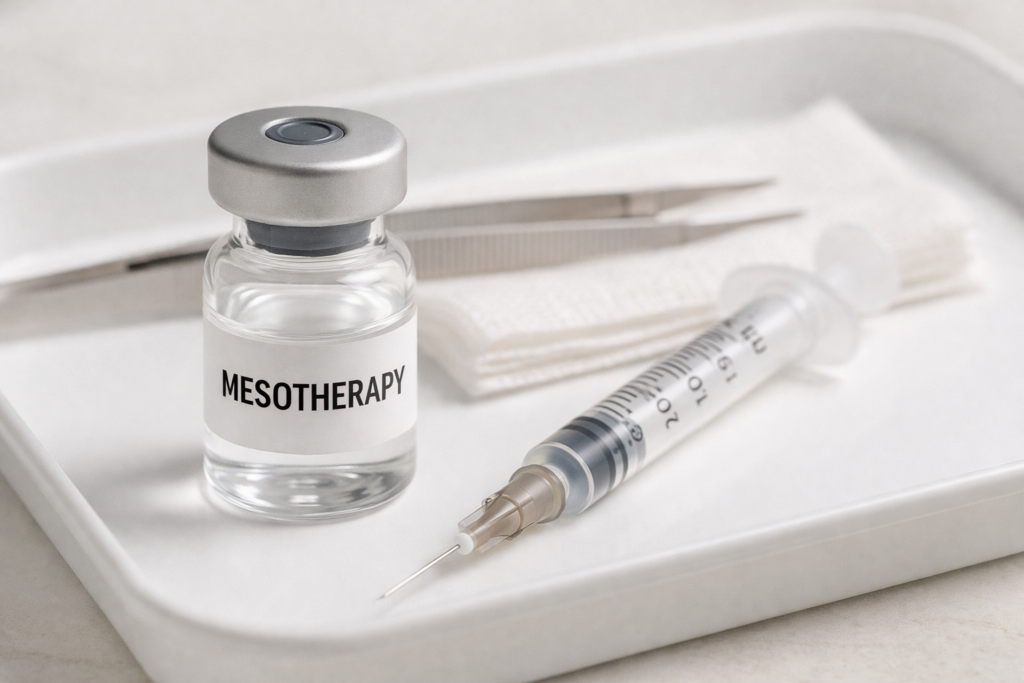




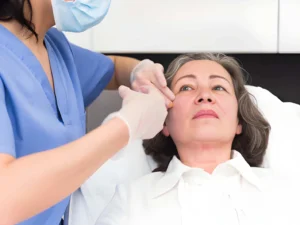

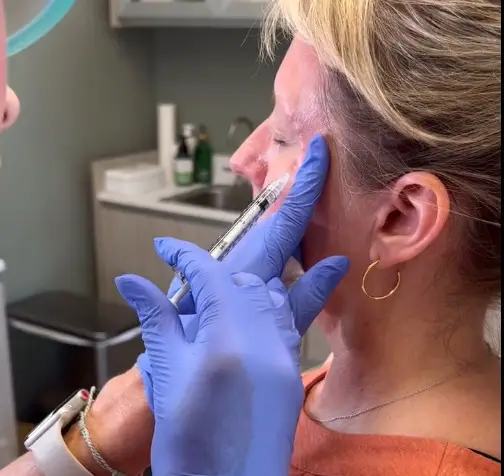
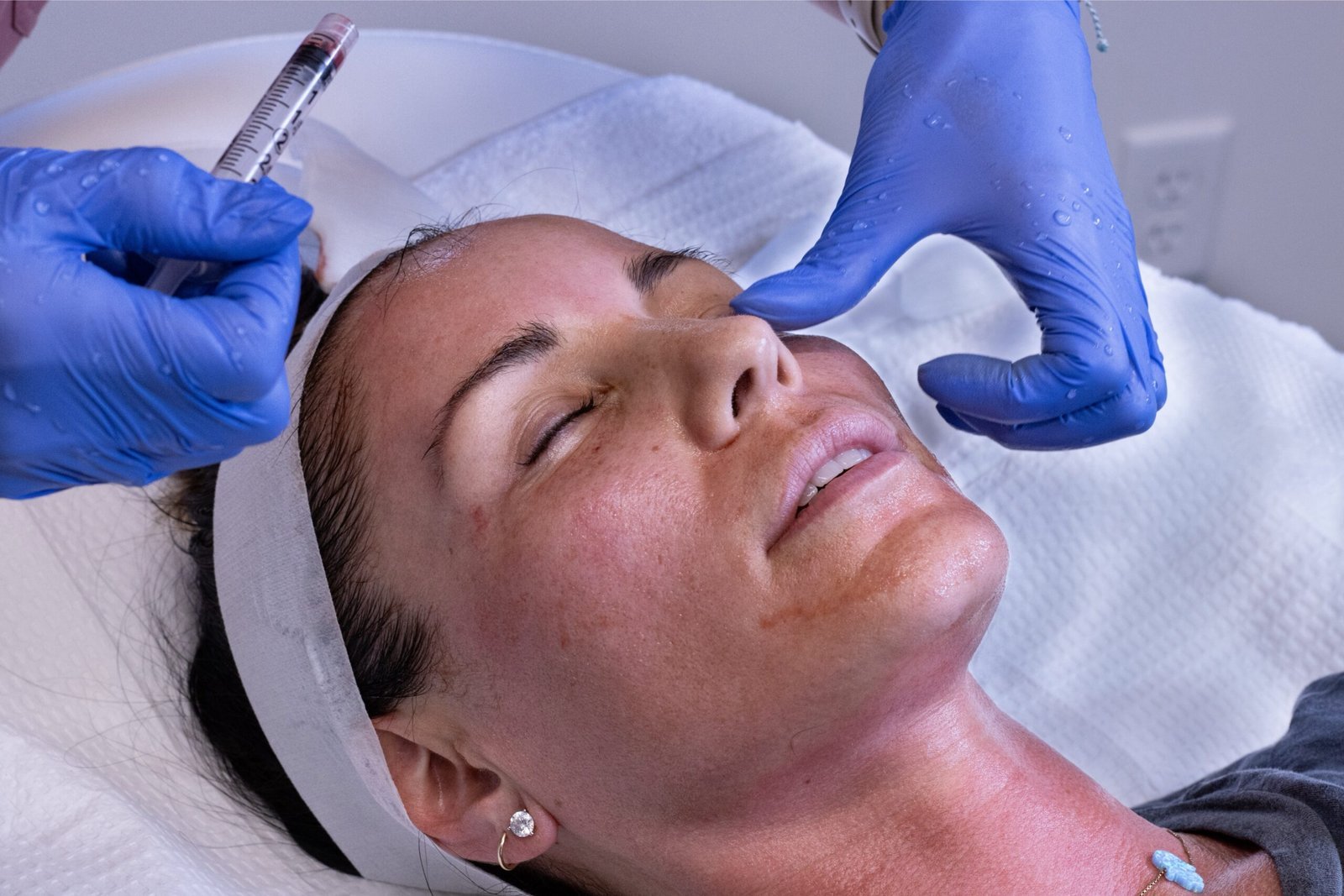
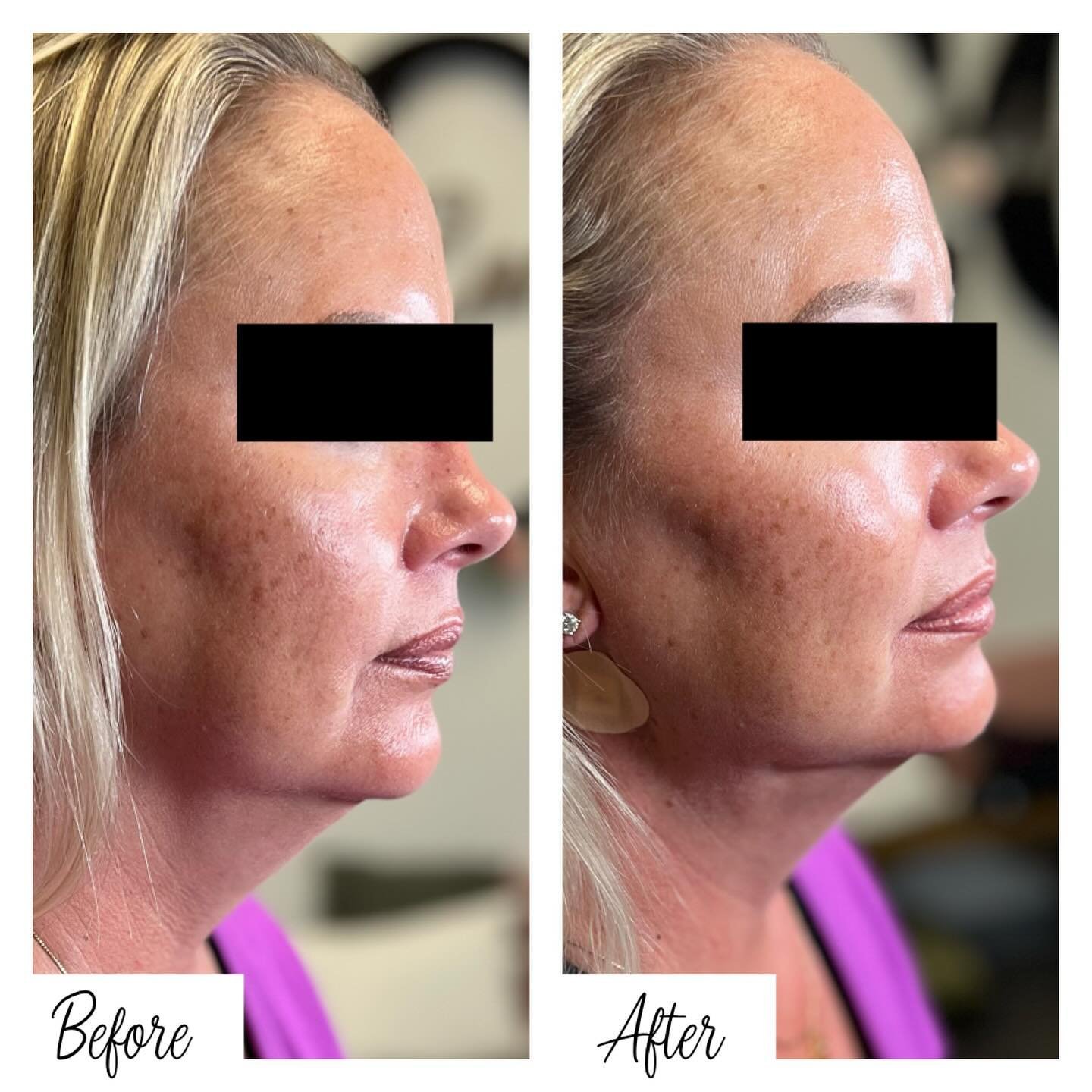
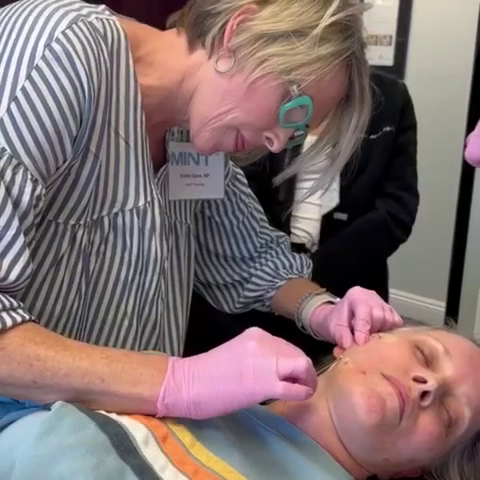
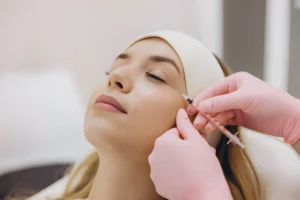
Mesotherapy benefits include targeted facial skin support through minimally invasive micro-injections that deliver customized ingredients into the mid-layer of the skin. When performed by a licensed, experienced provider, facial mesotherapy can support skin quality, hydration strategies, and a healthier-looking complexion through individualized treatment planning.
The term mesotherapy comes from “meso” and “therapy,” referencing delivery to the middle layer of the skin. Treatment cocktails may include amino acids, peptides, exosomes, PDRN, PRP, enzymes, and vitamins, either individually or in combination, based on patient goals and clinical considerations. For related regenerative options, explore our full menu of treatments on our services page.
What Is Mesotherapy
Mesotherapy is a minimally invasive aesthetic technique that uses very fine needles to place skin-supporting substances into the dermal layer, using an injection method that can feel similar to a light acupuncture-style approach. The goal is to deliver selected ingredients directly into targeted tissue, with the solution tailored to the patient’s needs and the area being treated.
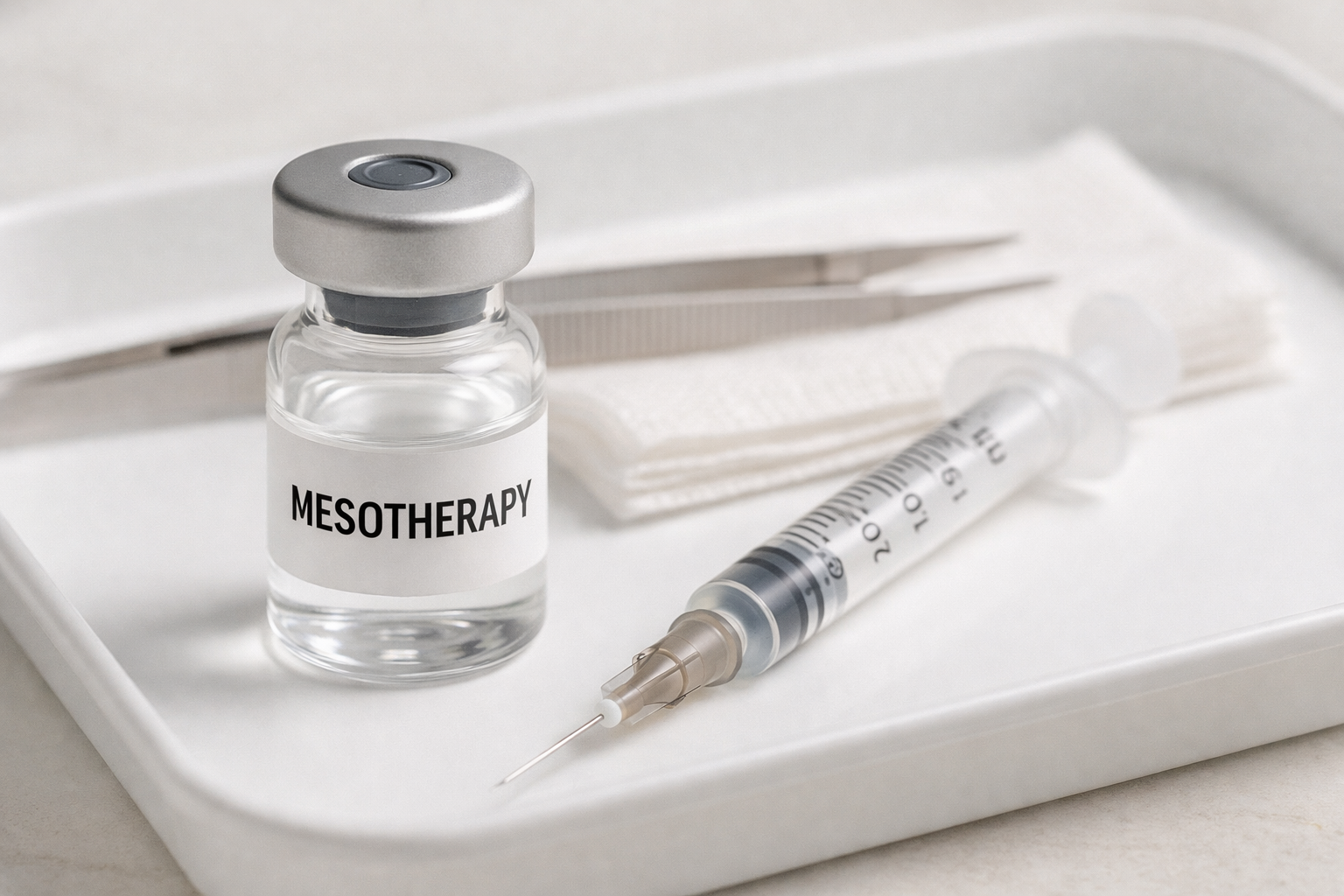
Because treatment goals vary, each plan is individualized. The composition, dosing strategy, and treatment pattern should reflect patient health status, age, skin condition, and desired outcomes.
How Facial Mesotherapy Works
Facial mesotherapy is performed by injecting a customized solution using fine needles into targeted areas. The method is designed to support skin quality and address visible signs associated with stress, environmental exposure, and compromised microcirculation. The treatment pattern and ingredient selection depend on the clinical objective, such as improving overall glow, supporting hydration, or enhancing skin texture.
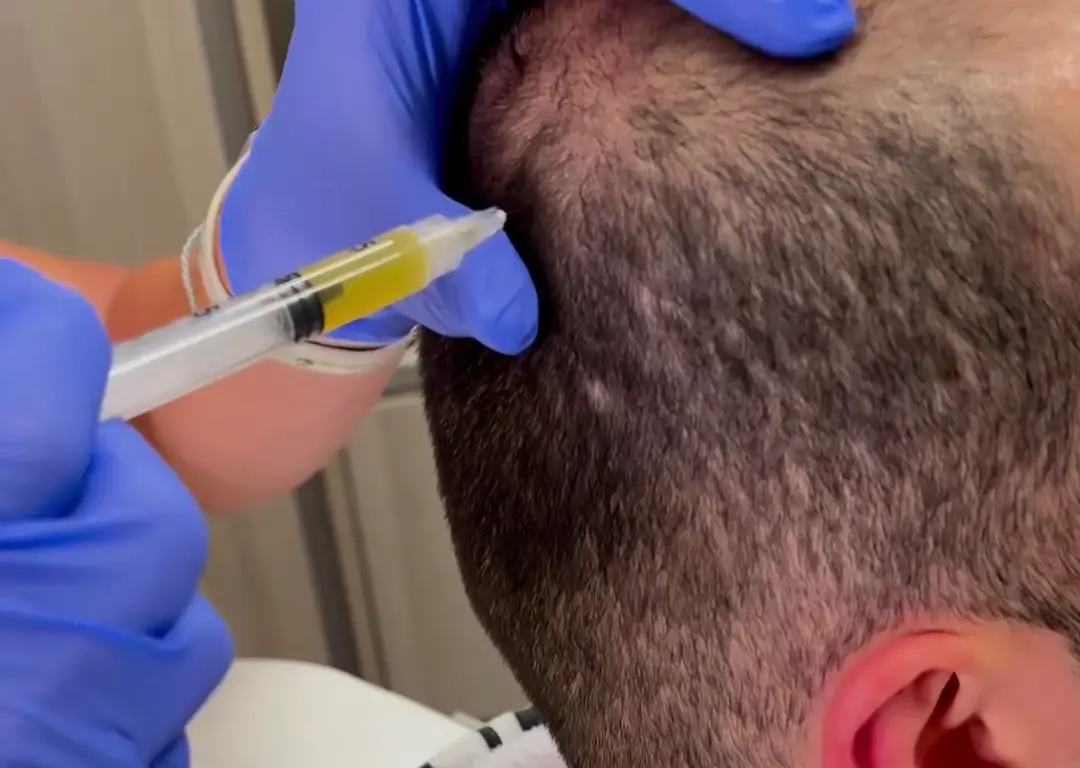
Mesotherapy is also discussed in the context of hair and body protocols. In this blog, the focus is facial mesotherapy. As a related note, at Cyrus Cosmetics, we provide regenerative options such as PRP scalp injections, which can be reviewed on our services page.
Common Ingredients and Cocktail Design
One of the strongest mesotherapy benefits is customization. Depending on goals and clinical considerations, treatment cocktails may include:
- Amino acids and peptides to support skin conditioning protocols
- Vitamins and supportive nutrients selected for skin quality optimization
- Enzymes used in specific aesthetic approaches based on provider judgment
- PDRN and other regenerative-oriented ingredients (protocol-dependent)
- PRP as part of personalized skin support strategies
- Exosomes used as a standalone option or combined within a broader plan
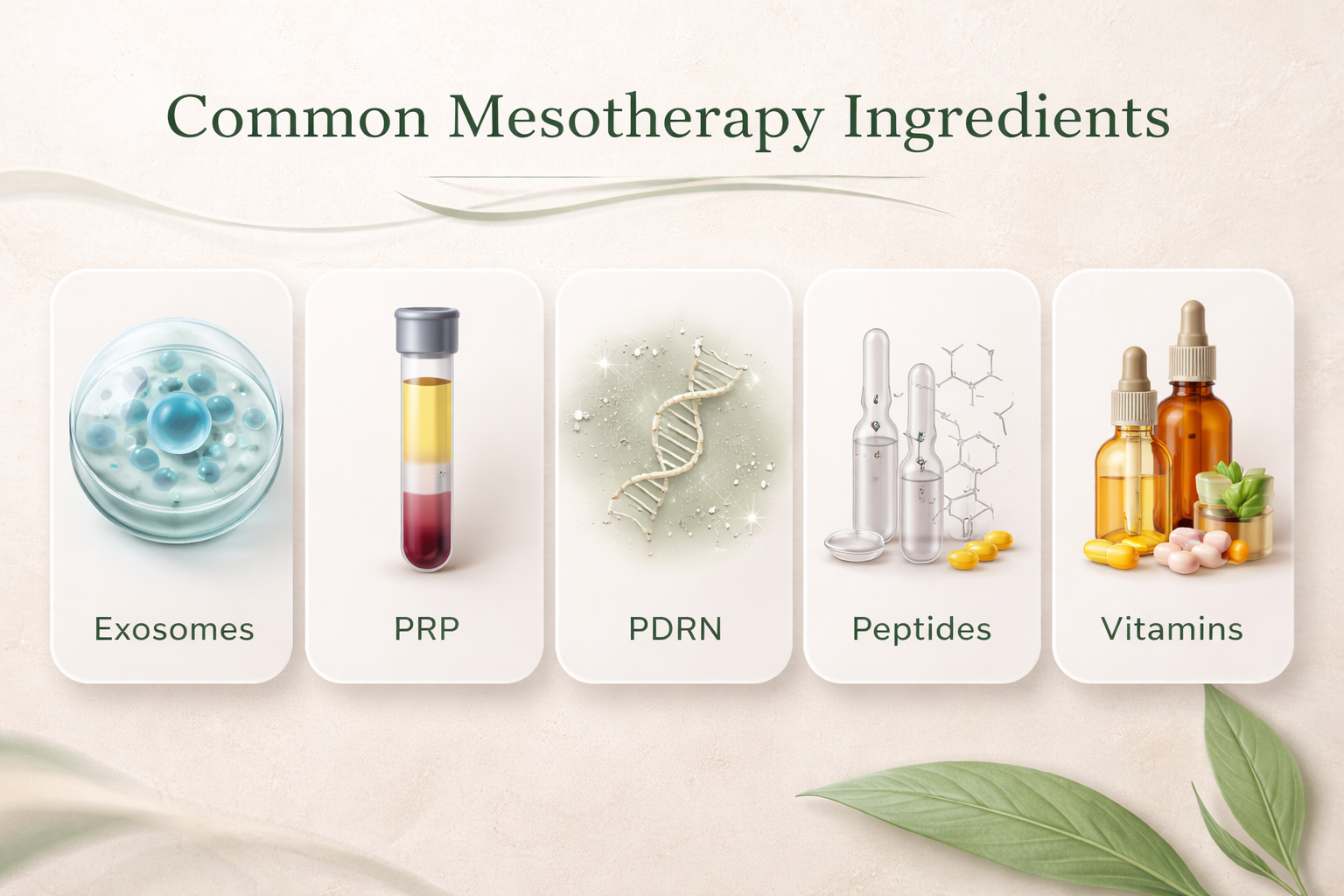
In some protocols, exosomes may be used alone or combined with ancillary ingredients such as botulinum toxin for wrinkle-focused strategies or hyaluronic acid for hydration support, based on individualized planning and provider discretion.
Exosomes + Biostimulators, A High-Interest Protocol
A promising mesotherapy technique involves sequential dosing of exosomes with biostimulators such as PLLA (Sculptra), PRP, and CaHA (Radiesse). Ongoing research continues to refine best practices around indications, dose-response, safety, and efficacy, including the concept of using exosomes as a “primer.”
In practical terms, priming refers to preparing tissue to support a more robust collagen response to a secondary treatment. Some studies have explored topical exosome absorption protocols to enhance skin quality alone or alongside injectable CaHA approaches. If you are considering collagen-stimulating services, review available options on our services page.
In one study, the addition of CaHA injections after topical exosome priming was associated with enhanced skin quality faster than either approach alone. This is a developing area, and protocols should remain evidence-guided and individualized.
Who Can Get Mesotherapy and Who Should Avoid It
Mesotherapy is typically performed on healthy adults aged 18 years and older by licensed medical professionals such as an MD, Nurse Practitioner, or Physician’s Assistant, depending on local regulations and scope of practice.
Common contraindications may include
- Pregnancy or breastfeeding
- Blood clotting disorders or use of anticoagulants (risk-based assessment required)
- Active skin infection or inflamed skin conditions in the treatment area
- Uncontrolled diabetes
- Autoimmune disorders (case-by-case clinical evaluation)
- Certain cardiovascular conditions (provider clearance may be needed)
A high-quality consultation is essential. This is where the treatment plan, ingredient selection, and risk screening are finalized.
Side Effects, Risks, and How to Minimize Them
Mesotherapy is not risk-free, but the overall risk profile is generally considered minimal when performed with sterile technique, appropriate ingredients, and experienced clinical judgment. Potential side effects may include:
- Nausea
- Vomiting
- Diarrhea
- Skin swelling
- Skin sensitivity
- Itching or burning sensation
- Rash on the skin surface
- Bruising
Reactions such as rash or eruption may be more common in individuals with very sensitive skin. In rare cases, hyperpigmentation or darker marks may occur at the application site. These risks are reduced with a skilled provider, excellent equipment, careful ingredient selection, and proper aftercare.
As always, research your provider and confirm appropriate licensure and experience. To explore related services and schedule next steps, visit our services page.
What Affects Cost
The cost of mesotherapy is directly related to the ingredients used in the cocktail, the number of treatment areas, the amount of product required, and the complexity of the protocol. Premium regenerative ingredients, such as exosomes and certain biostimulators, may increase overall investment due to material costs and clinical expertise required for safe customization.
Final Thoughts
Mesotherapy benefits are best understood as a personalized approach to facial skin support. By delivering selected ingredients into targeted tissue, mesotherapy can support skin quality and overall appearance when paired with a thoughtful plan and a clinician who prioritizes safety, sterility, and conservative precision.
If you are exploring facial mesotherapy, the best next step is a consultation to confirm candidacy, select an appropriate cocktail, and align treatment strategy with your skin goals. Start here: view our services.
FAQs
How many mesotherapy sessions are usually recommended? ›
The recommended number of sessions varies by goal, ingredient selection, and skin condition. Many protocols are structured as a short series, followed by maintenance as clinically appropriate.
Does facial mesotherapy hurt? ›
Most patients describe mild discomfort similar to quick pinches. Topical numbing may be used depending on the treatment plan and patient sensitivity.
Is there downtime after mesotherapy? ›
Downtime is typically minimal. Some patients experience temporary redness, swelling, or mild bruising, which generally resolves within a few days.
What makes a mesotherapy cocktail personalized? ›
Ingredient selection and dosing are tailored to your skin needs, medical history, treatment area, and desired outcomes, based on your provider’s clinical assessment.
How can I reduce the risk of side effects? ›
Choose a licensed, experienced provider, follow pre- and post-care guidance, disclose medications and health conditions, and avoid treating active skin irritation or infection.
Explore Mesotherapy Options
Ready to explore a customized facial mesotherapy plan? Review our services, then schedule a consultation to assess candidacy, confirm contraindications, and align a treatment plan with your goals.
