






Anti-aging in wellness is a holistic approach to supporting physical, mental, and emotional well-being throughout life. Rather than focusing only on preventing wrinkles or maintaining a youthful appearance, wellness-based anti-aging emphasizes quality of life, chronic disease risk reduction, independence, strength, and vitality as people grow older.
Aging is a natural process influenced by genetics, lifestyle, and environmental factors. It cannot be stopped, but evidence-based habits may help slow aspects of age-related decline and support a longer healthspan, meaning more years spent in good health.
At Cyrus Cosmetics in Fresno, CA, healthy-aging care is viewed through the broader lens of metabolic wellness, preventive care, nutrition, movement, sleep, stress management, and medically appropriate therapies such as peptides, nutraceuticals, NAD+, or hormone evaluation when indicated.
Understanding Anti-Aging in Wellness
Anti-aging wellness does not mean attempting to stop the natural aging process. It means supporting the body so that people can remain active, independent, mentally engaged, emotionally resilient, and physically capable for as long as possible.
The goal is to improve healthspan rather than focus only on lifespan. Healthspan refers to the years of life spent with good physical function, cognitive health, emotional stability, and freedom from preventable disease.
Healthy-aging perspective: The most meaningful outcome is not simply appearing younger. It is maintaining mobility, muscle, energy, cognition, independence, recovery, and quality of life.
Foundations of Healthy Aging
Key components of an anti-aging wellness programme include balanced nutrition, regular physical activity, quality sleep, stress management, social connection, lifelong learning, and preventive healthcare.
Nutrient-rich food provides vitamins, minerals, fibre, protein, and antioxidants. Exercise supports circulation, insulin sensitivity, bone density, muscle preservation, and mobility. Sleep gives the body time to repair tissue, regulate hormones, and consolidate memory.
Preventive Healthcare and Healthy Lifestyle Choices
Preventive healthcare is central to anti-aging wellness. Regular medical visits, appropriate screenings, vaccinations, and careful management of conditions such as hypertension, diabetes, and high cholesterol can help identify concerns early and improve long-term outcomes.
- Avoid tobacco and unnecessary exposure to smoke.
- Limit alcohol based on individual health considerations.
- Protect the skin from excessive ultraviolet exposure.
- Maintain a healthy weight and body composition.
- Monitor blood pressure, blood glucose, and cholesterol.
- Complete recommended health screenings.
- Maintain mobility, strength, balance, and physical activity.
Some modern wellness programmes may also include nutritional supplements, hormone therapy, peptide therapy, NAD+, nutraceuticals, or other medically guided interventions. The quality of scientific evidence varies, and these options should be evaluated individually.
Medical guidance matters: Consult a qualified healthcare professional before beginning hormone therapy, peptide therapy, supplements, or any advanced treatment promoted for anti-aging or longevity.
Core Metabolic Principles in Anti-Aging Therapy
Anti-aging therapy from a metabolic perspective focuses on supporting energy production, tissue repair, glucose regulation, hormone balance, muscle preservation, and the body’s response to physical and environmental stress.
Cellular Energy Production
Mitochondria produce the energy cells need to function. Exercise, nutrient-dense food, sleep, and adequate micronutrients support mitochondrial health and cellular vitality.
Blood Sugar Regulation
Stable blood glucose and insulin levels support metabolic health. Chronically elevated levels may contribute to oxidative stress, inflammation, and chronic disease.
Metabolic Flexibility
Metabolic flexibility describes how efficiently the body switches between carbohydrates and fats as fuel. Exercise and balanced nutrition support this ability.
Inflammation Control
Chronic low-grade inflammation is linked to many age-related conditions. Nutrition, exercise, weight management, tobacco avoidance, and stress reduction may help.
Oxidative Stress Balance
Antioxidant defence systems help manage free radicals produced during normal metabolism. Plant-rich diets support these natural protective systems.
Hormonal Balance
Hormones influence metabolism, sleep, mood, reproduction, growth, and recovery. Clinically meaningful changes should be evaluated by a qualified provider.
Muscle Preservation
Resistance training and adequate protein help reduce age-related muscle loss and support strength, glucose regulation, balance, and independence.
Micronutrient Support
Vitamins, minerals, amino acids, and essential nutrients act as cofactors in energy production, repair, immunity, and metabolic function.
Sleep and Recovery
Sleep supports tissue repair, memory, immunity, appetite regulation, glucose metabolism, and hormonal balance.
Personalized Preventive Care
Genetics, age, medical history, medications, lifestyle, and environment all affect metabolism, making individualized evaluation essential.
No intervention has been proven to stop aging. These principles are intended to improve healthspan, reduce preventable health risks, and help individuals remain active and independent throughout life.
Peptides and Nutraceuticals Used to Support Healthy Aging
Anti-aging medicine may combine lifestyle interventions with targeted nutraceuticals and, in selected cases, therapeutic peptides. The goal is to support cellular function, metabolic resilience, recovery, and healthy aging.
Cellular Energy Support
Commonly discussed nutraceuticals include:
- Coenzyme Q10
- Acetyl-L-carnitine
- Alpha-lipoic acid
- Magnesium and B-complex vitamins
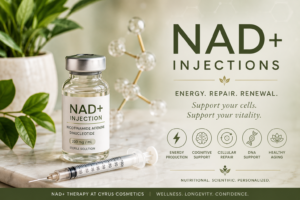
- Creatine, glutathione, and NAD+
Metabolic Support
Options discussed in metabolic wellness include:
- Berberine, chromium, and soluble fibre
- Omega-3 fatty acids
- GLP-1 receptor agonists for approved indications
- NR, NMN, and MCTs
- Medically supervised weight-management support
Inflammation and Antioxidant Support
Commonly discussed nutrients include:
- Curcumin and boswellia
- Omega-3 fatty acids
- Vitamin C and vitamin E
- N-acetylcysteine and glutathione
- Vitamin D when deficiency is confirmed
Hormone and Recovery Support
Clinically supervised options may include:
- Sermorelin, CJC-1295, or ipamorelin
- Tesamorelin for approved indications
- Hormone replacement when medically appropriate
- Creatine, essential amino acids, and protein
- Collagen peptides, glycine, and zinc
| Wellness Focus | Common Nutraceuticals | Peptides or Medical Therapies | Intended Support |
|---|---|---|---|
| Cellular Energy | CoQ10, magnesium, B vitamins, creatine, NAD+, glutathione | MOTS-c and humanin analogues remain investigational | Mitochondrial function and cellular energy metabolism |
| Blood Sugar Regulation | Berberine, chromium, fibre, magnesium, alpha-lipoic acid | GLP-1 receptor agonists for appropriate patients | Glucose regulation and metabolic health |
| Inflammatory Balance | Omega-3, curcumin, boswellia, vitamin D when deficient | BPC-157 remains investigational; thymosin alpha-1 has specific uses | Inflammatory and immune support |
| Hormonal Wellness | Zinc, magnesium, vitamin D, selected adaptogens | Sermorelin, ipamorelin, CJC-1295, tesamorelin, or hormone therapy when indicated | Selected endocrine and hormone-signalling pathways |
| Muscle Preservation | Protein, creatine, leucine, essential amino acids, HMB | Selected hormone or peptide therapies under supervision | Lean mass, strength, function, and recovery |
| Cognitive Wellness | Omega-3 DHA, citicoline, phosphatidylserine, NAD+ | Experimental compounds should not be used outside appropriate clinical oversight | Memory, cognition, and neurological wellness support |
Investigational compounds may not be FDA-approved for the uses discussed. Inclusion is educational and does not represent a treatment recommendation.
Clinical caution: Nutraceuticals and peptides should be selected based on medical history, laboratory findings, medications, treatment goals, regulatory status, and available scientific evidence.
Why Personalized Preventive Care Matters
Anti-aging care should not be a standardised list of supplements or injections. Genetics, age, symptoms, medical history, lifestyle, medications, body composition, laboratory findings, and individual goals all influence which strategies may be appropriate.
- Medical and lifestyle history review
- Assessment of sleep, nutrition, exercise, stress, and recovery
- Appropriate laboratory evaluation
- Review of medications and potential interactions
- Personalized nutrition and movement recommendations
- Ongoing monitoring and treatment adjustment
- Realistic expectations and long-term planning
Peptides, nutraceuticals, NAD+, hormone support, metabolic therapy, and other wellness interventions should be considered within a comprehensive plan that prioritizes lifestyle foundations, safety, evidence, and clinical supervision.
Explore related wellness services at Cyrus Cosmetics.
Final Perspective on Anti-Aging in Wellness
Anti-aging therapy from a metabolic perspective focuses on improving how efficiently the body produces energy, repairs tissue, regulates hormones, preserves muscle, manages blood sugar, and responds to physical and environmental stress.
It does not aim to stop aging. Instead, it supports healthy aging by reducing preventable risks, preserving physical and cognitive performance, and helping people remain active and independent.
The strongest foundation remains consistent lifestyle care: nutrient-dense food, regular movement, resistance training, adequate sleep, stress management, social connection, preventive healthcare, and individualized medical guidance.
Frequently Asked Questions
What does anti-aging mean in wellness? ›
It refers to supporting healthy aging, reducing preventable disease risk, preserving physical and cognitive function, and improving quality of life rather than attempting to stop aging.
Can healthy habits slow age-related decline? ›
Balanced nutrition, regular exercise, resistance training, adequate sleep, stress management, tobacco avoidance, sun protection, and preventive care may support healthspan and reduce several age-related risks.
What is metabolic anti-aging therapy? ›
It focuses on cellular energy, glucose regulation, inflammation, oxidative stress, hormone health, muscle preservation, nutrition, sleep, and personalized preventive care.
Can peptide therapy stop aging? ›
No treatment has been proven to stop aging. Some peptides have approved medical indications, while others remain investigational or have limited evidence.
Do nutraceuticals support healthy aging? ›
Some nutraceuticals may support specific metabolic or nutritional needs, particularly when deficiency or a clinical indication exists. Evidence and safety vary by ingredient.
Why is muscle preservation important? ›
Muscle supports strength, balance, glucose regulation, metabolism, mobility, and independence. Resistance training and adequate protein are important for preserving lean tissue.
How does sleep affect healthy aging? ›
Sleep supports tissue repair, immunity, memory, appetite regulation, glucose metabolism, hormonal balance, and recovery.
When should I consider a healthy-aging consultation? ›
A consultation may be useful when experiencing fatigue, declining muscle strength, metabolic concerns, poor recovery, sleep difficulties, or when seeking personalized preventive wellness planning.
Build a Wellness Plan Around Your Health and Goals
Explore a personalized approach to metabolic wellness, healthy aging, nutrition, peptide therapy, nutraceuticals, NAD+, hormone evaluation, and preventive care at Cyrus Cosmetics.
