











Botox for chronic migraines has become an increasingly recognized option for patients who struggle with frequent, debilitating headaches. While Botox is widely known for cosmetic use, it also has important neurological applications that may help reduce migraine frequency and severity in appropriate patients.
At Cyrus Cosmetics, we believe migraine care should be thoughtful, individualized, and supportive of overall quality of life. For patients who have not experienced adequate relief from traditional options, Botox may be considered as part of a broader migraine management strategy.
Introduction
Chronic migraines can be debilitating, impacting daily life, work, sleep, and overall well-being. For many individuals, traditional treatment options may fall short in providing adequate relief.
Botox, commonly known for its cosmetic applications, has also emerged as a promising treatment option for chronic migraines. Its ability to influence nerve signaling and pain pathways makes it a valuable topic for patients exploring migraine prevention.
Understanding Chronic Migraines
Chronic migraines go beyond occasional headaches. They are commonly associated with persistent, intense headaches that may occur 15 or more days per month. Pain may be one-sided, or it may affect the head, neck, face, or multiple regions at once.
Symptoms may include throbbing pain, sensitivity to light and sound, nausea, and reduced ability to function. Common triggers may include hormonal changes, alcohol use, stress, cold weather fronts, sleep deprivation, and other individual factors.
Important note: Migraines are often multifactorial, involving both genetic and environmental influences. A professional consultation can help determine whether Botox may be appropriate within a broader treatment plan.
Conventional Treatment Options
Traditional migraine treatments may include pain relievers, preventive medications, lifestyle modification, and trigger management. These options can be helpful for many patients, but they may not work well enough for everyone.
Some individuals explore additional options because of medication side effects, incomplete relief, or the need for a more comprehensive, multi-pronged approach to migraine prevention.
Botox and Its Role in Neurological Relief
Botox, short for botulinum toxin, is well known for reducing the appearance of wrinkles. However, research has shown that Botox can also affect nerve signaling and neurotransmitter release, which is why it has been explored as a treatment for chronic migraines and other neurological pain conditions.
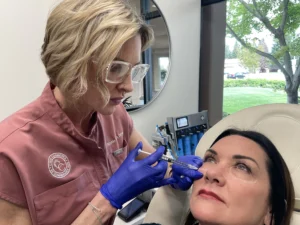
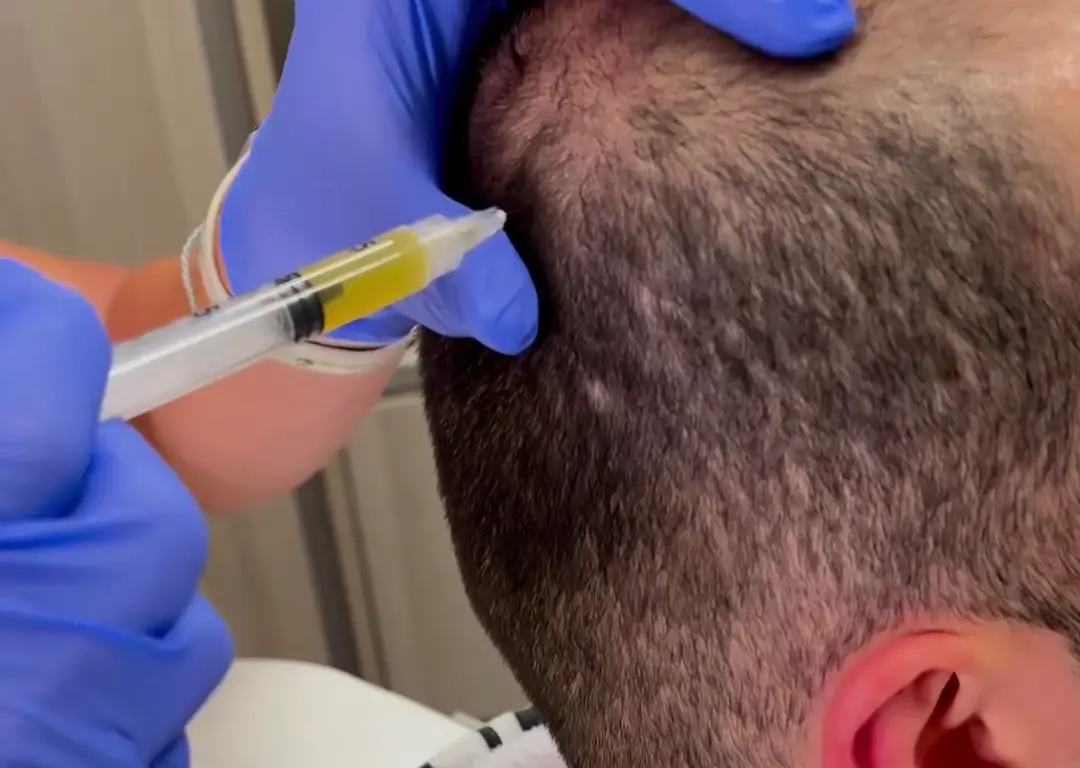
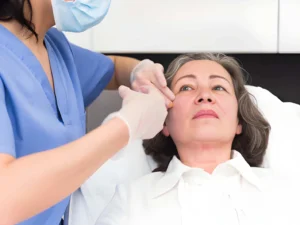
Botox for migraines is administered through a series of strategic injections around the head and neck. The goal is to help block pain signaling and reduce the frequency and intensity of migraine episodes over time.
- May reduce migraine frequency
- May decrease headache severity
- Can be part of a long-term prevention plan
- Typically repeated on a scheduled basis, often around every 12 weeks
- Generally well tolerated when performed by a qualified provider
Non-Surgical Approaches to Migraine Relief
Botox is not the only non-surgical approach to migraine relief. Behavioral therapies and lifestyle-based strategies may also support migraine prevention by helping reduce stress load and improve resilience.
- Biofeedback
- Patient education
- Relaxation techniques
- Mindfulness or prayer practices
- Weight management and exercise
- Acupuncture
- Sleep and trigger management
These options may be used alongside Botox as part of a holistic approach to migraine care, depending on a patient’s medical history and provider guidance.
Conclusion
For patients living with chronic migraines, Botox may offer a meaningful option when traditional treatments do not provide enough relief. Its neurological benefits, combined with its role in headache management, make it a compelling therapy to discuss with a qualified provider.
Traditional migraine treatments still have an important place, but an innovative and holistic approach that includes Botox may be a valuable step for individuals seeking more consistent migraine prevention and improved quality of life.
FAQs
What is Botox, and how does it help with chronic migraines?
Botox, or botulinum toxin, may help reduce migraine frequency and severity by affecting nerve signaling and pain pathways when injected into specific areas of the head and neck.
How often do Botox treatments for migraines occur?
Botox treatments for chronic migraines are commonly scheduled about every 12 weeks, depending on patient response and provider recommendation.
What distinguishes chronic migraines from occasional headaches?
Chronic migraines are typically associated with headaches occurring 15 or more days per month and may include symptoms such as throbbing pain, nausea, and sensitivity to light or sound.
Are there non-surgical alternatives for migraine relief?
Yes. Non-surgical approaches may include biofeedback, relaxation, mindfulness, exercise, weight management, acupuncture, and trigger management.
What factors can contribute to migraines?
Migraines may involve genetic and environmental factors. Triggers can include hormonal changes, alcohol use, stress, weather changes, and sleep deprivation.
Explore Migraine Relief Options
If chronic migraines are affecting your quality of life, schedule a consultation to discuss whether Botox may be appropriate as part of your personalized care plan.
