
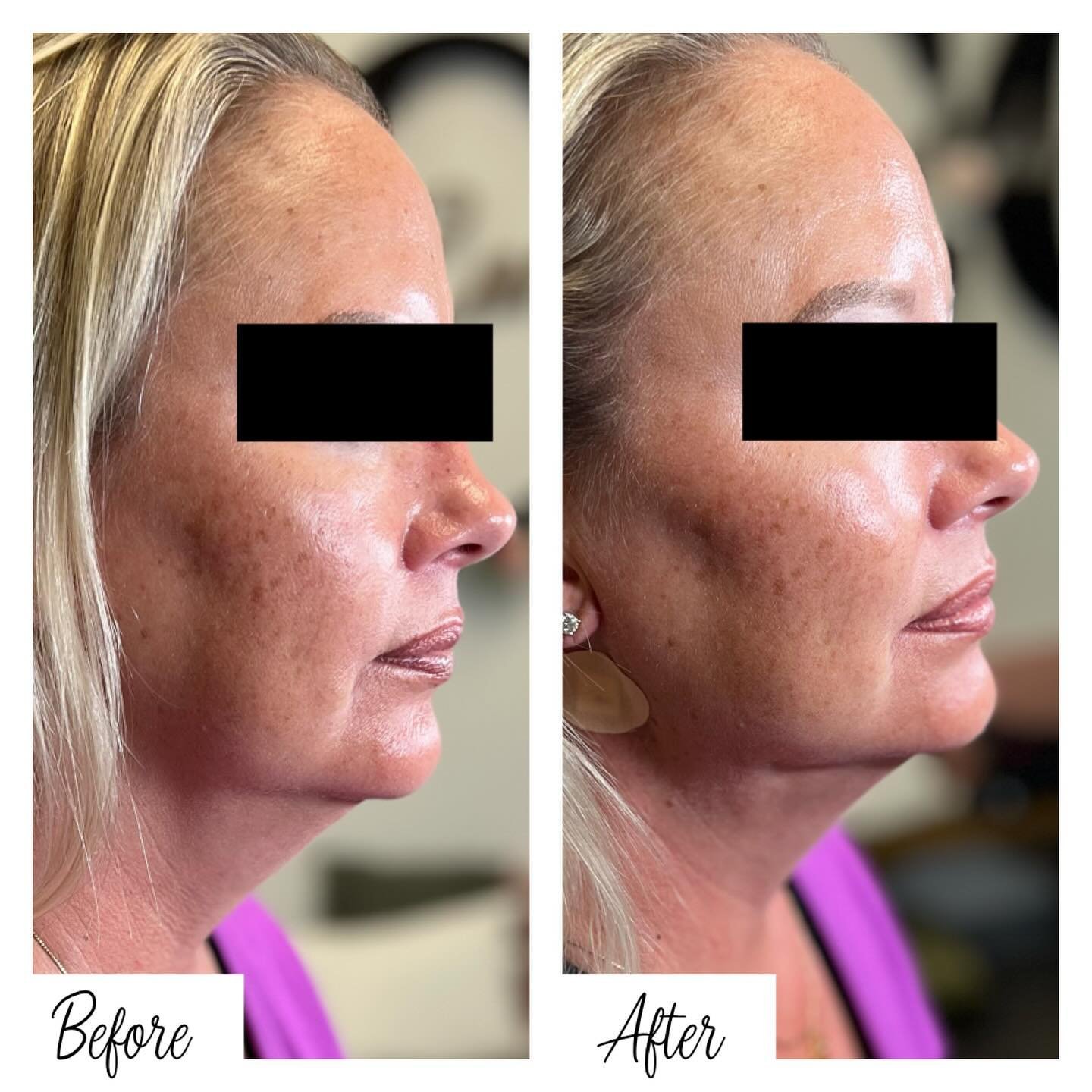



PDO thread lift vs facelift is one of the most common questions people ask when they want a more lifted, youthful look. Both options are considered facelift approaches in the world of anti-aging, but they are very different in how they are performed, how you recover, and how much they cost.
This guide breaks down PDO threads and traditional facelifts so you can better understand safety, recovery time, and investment, and decide which approach fits your goals and lifestyle.
What Is a PDO Thread Lift?
Before choosing any cosmetic procedure, it is important to understand what is going into your body and how it works. The PDO in PDO threads stands for polydioxanone, a biocompatible, dissolvable material that has been used safely for decades in surgical sutures.
In aesthetics, PDO threads are used in a treatment known as a PDO thread lift. Thin, dissolvable threads are placed just beneath the skin to lift and support areas that have started to sag.
PDO threads help to:
- Mechanically lift and reposition the skin
- Stimulate collagen production around the threads
- Improve texture, firmness, and fine lines over time
The threads gradually dissolve over several months, but the collagen they stimulate can support a firmer, more youthful look for a longer period.
PDO Thread Lift vs Facelift: The Big Picture
Both traditional facelifts and PDO thread lifts aim to rejuvenate the face, but they do so in very different ways.
- Traditional facelift is a surgical procedure that removes or repositions skin and deeper tissues for a dramatic, long lasting lift.
- PDO thread lift is a minimally invasive, nonsurgical option that uses dissolvable threads to lift and stimulate collagen with less downtime.
Understanding how they compare in safety, recovery, and cost can help you decide which path aligns better with your needs.
Safety: PDO Threads vs Traditional Facelift
PDO Thread Lift Safety
PDO thread lifts are performed using local anesthesia in an office setting. Because there are no large incisions and no general anesthesia, overall risk is lower than with surgery. Temporary bruising, swelling, and mild discomfort are the most common side effects.
Traditional Facelift Safety
A traditional facelift is a full surgical procedure performed in an operating room with either general anesthesia or deep sedation. While it can deliver powerful, long lasting results, it also carries the risks associated with surgery and anesthesia, as well as longer healing of incisions.
For individuals who prefer to avoid major surgery or have concerns about general anesthesia, a PDO thread lift can be an appealing alternative. For additional information about facelift safety and surgical risks, many surgeons reference organizations such as the American Society of Plastic Surgeons.
Recovery Time: How Long Until You Are Back to Normal?
Traditional Facelift Recovery
A surgical facelift comes with a longer and more intensive recovery. Swelling, bruising, and bandages are common in the first days. Patients often return to light daily activities after one to two weeks but are usually advised to avoid strenuous exercise for three to four weeks. Final results can take several months as swelling settles and incision lines mature.
PDO Thread Lift Recovery
Recovery after a PDO thread lift is typically much faster. Most people return to normal, non-strenuous activities within 24 to 48 hours. There may be mild swelling, tenderness, or a feeling of tightness along the threads. Intense physical activity, heavy lifting, or exaggerated facial movements are usually limited for one to two weeks.
Both treatments require patience to see the full outcome, but PDO threads usually allow for a quicker return to daily life.
Cost Comparison: PDO Thread Lift vs Facelift
Cost is another important distinction between a PDO thread lift and a traditional facelift.
Traditional Facelift Cost
A surgical facelift is one of the higher investment cosmetic procedures. Depending on the surgeon, location, and complexity, pricing can range from several thousand dollars to well above fifteen thousand dollars. This level of cost is simply not realistic for everyone who wants a more youthful appearance.
PDO Thread Lift Cost
PDO threads are generally more affordable than a full facelift. Pricing depends on how many threads are used and which areas are treated, but the overall investment is typically lower. Many patients view the PDO thread lift as a middle ground between basic injectables and full surgery.
While cost matters, it should never be the only factor. Safety, experience, and realistic expectations are equally important.
Which Option Is Right for You?
Although both are considered facelift options, PDO threads and traditional facelifts are very different experiences. The better choice depends on your goals, health, comfort level with surgery, and budget.
- If you want dramatic, long lasting lifting and are comfortable with surgery, incisions, and a longer recovery, a traditional facelift may be more appropriate.
- If you prefer a nonsurgical approach with local anesthesia, shorter downtime, and a more moderate investment, a PDO thread lift may be a better fit.
A consultation with an experienced aesthetic provider is the best way to evaluate your facial structure, discuss expectations, and build a plan that supports how you want to age.
PDO Thread Lift vs Facelift FAQ
Is a PDO thread lift considered a facelift? ›
A PDO thread lift is often referred to as a nonsurgical facelift because it lifts and tightens the skin, but it is less invasive than a traditional surgical facelift and uses dissolvable threads instead of incisions.
How long do PDO thread lift results last compared to a facelift? ›
PDO threads typically last 12 to 18 months, depending on the type of thread and your own collagen response. A traditional facelift can last many years, but it involves surgery and longer downtime.
Is a PDO thread lift less risky than a facelift? ›
PDO thread lifts avoid general anesthesia and large incisions, so the overall risk profile is lower than surgery. However, they still require a skilled provider to minimize side effects such as bruising, swelling, or temporary asymmetry.
Can I start with PDO threads and consider a facelift later? ›
Yes. Many patients use PDO threads as an intermediate step or as a way to delay surgery. Having a PDO thread lift now does not prevent you from considering a surgical facelift in the future.
How do I decide between PDO thread lift vs facelift? ›
The best way to decide is through an in person consultation. Your provider will assess your skin, degree of laxity, health history, and goals, then recommend whether a PDO thread lift, a traditional facelift, or a combination approach is most appropriate.
Not Sure Which Lift Is Right for You?
If you are weighing a PDO thread lift vs facelift, we can help you sort through the options. At Cyrus Cosmetics Fresno, your treatment plan is personalized to your anatomy, comfort level, and goals so that you can age with confidence and clarity.
